- Have any Query
- (303) 807-1061
- doug@servohydraulicsolutions.com

Seismic Standards
November 7, 2026
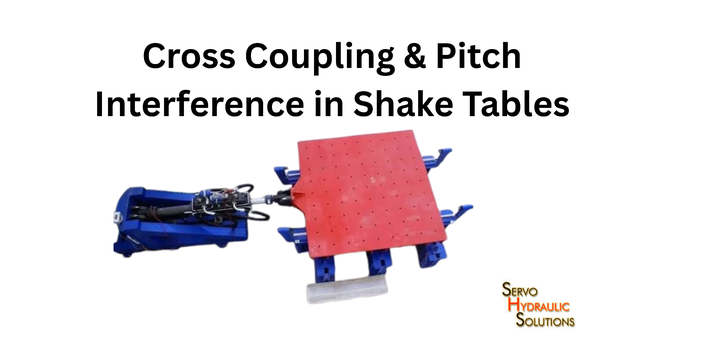
Multi-axis shake table control helps engineers reproduce the intended movement of a test platform while limiting unwanted motion between axes. Cross-coupling occurs when a command along […]
November 4, 2026
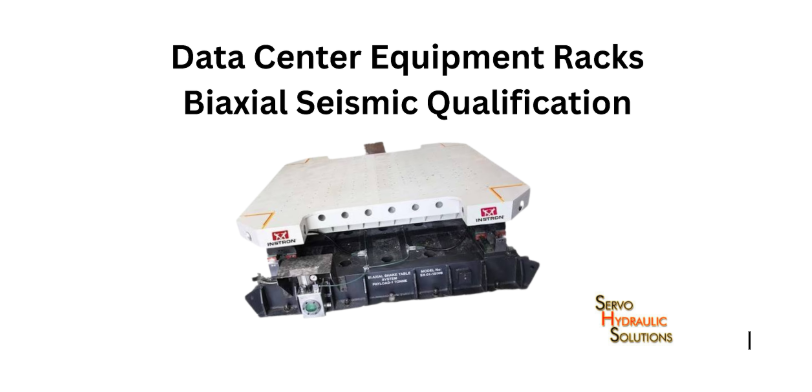
Data center seismic testing evaluates whether server racks, network cabinets, and their installed equipment can withstand earthquake-induced motion while maintaining structural integrity and required functionality. Biaxial […]
November 4, 2026
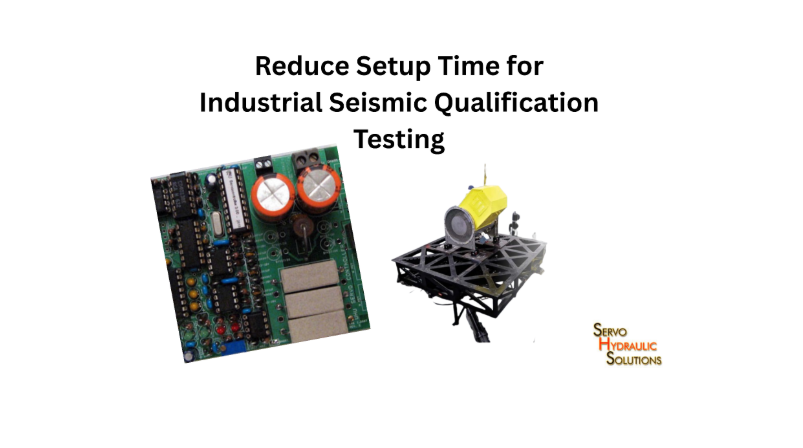
Reducing setup time for industrial seismic qualification testing starts with standardizing pre-shake-table work: specimen mounting, fixture preparation, instrumentation, cabling, and pretest checks. A well-planned setup process […]
November 2, 2026
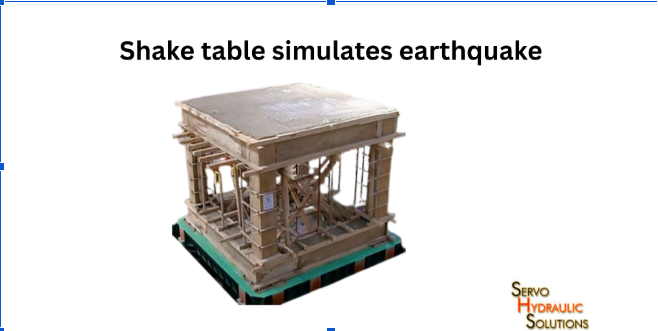
An earthquake simulation shake table is a specialized testing platform that replicates seismic ground motion. By reproducing these motions, it enables researchers and engineers to analyze […]
October 31, 2026

Comparing biaxial and triaxial shake tables helps universities choose the right equipment for earthquake engineering, structural dynamics, and seismic research. Biaxial shake tables reproduce motion along […]
October 30, 2026
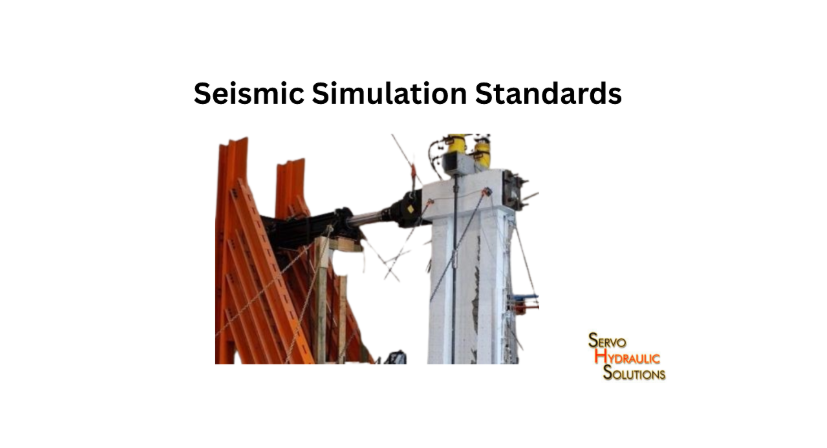
University engineering laboratories need reliable equipment to study how buildings, bridges, structural components, and essential equipment respond to earthquake forces. Choosing the right system requires more […]
October 29, 2026
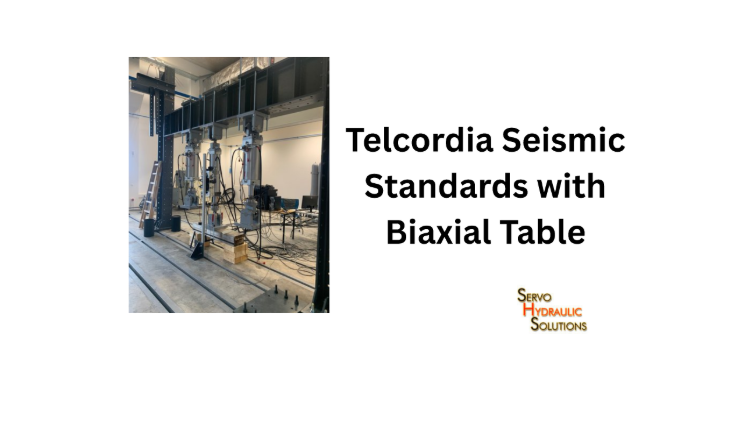
IEEE 693 and Telcordia GR-63-CORE help engineers determine whether electrical substation and telecommunications equipment can withstand earthquake-related movement. Biaxial shake tables can provide a cost-effective solution […]